The Case for Chromebooks in 2026
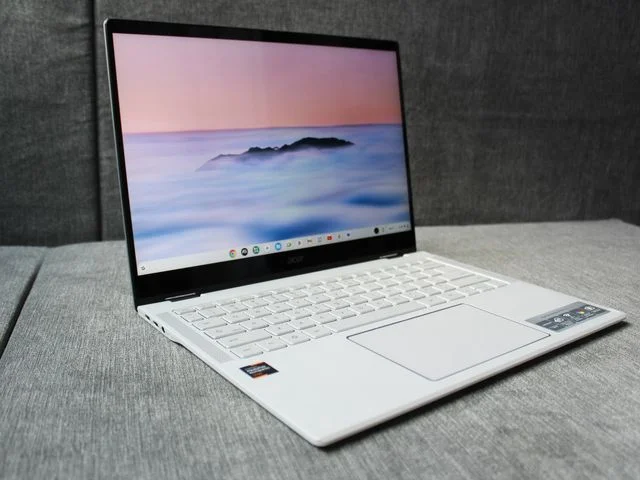
If you've been watching the laptop market, you might wonder if Chromebooks can still hold their own in 2026. The short answer is yes—and there are compelling reasons for this. For starters, if you're on a budget—specifically under $500—these devices often offer the best bang for your buck. In this price range, a Chromebook can provide a more enjoyable experience than many dated Windows laptops or even legacy MacBooks. But what happens if your budget allows for a few extra hundred dollars? This is where the picture gets cloudier. You're suddenly up against formidable contenders in the budget laptop arena like the [MacBook Neo](https://www.wired.com/review/apple-macbook-neo/) and Dell’s 14 Plus. These devices frequently come equipped with better specifications and a full-fledged operating system that allows for more versatility than Chrome OS. However, if you're clear-eyed about your specific needs, you might find that even a pricier Chromebook could serve you just as well—if not better. That said, the Chromebook conversation isn't just about price; it’s about purpose. Beyond just affordability, these laptops serve a distinct niche—one that caters to users who primarily rely on web-based applications and services. For certain use cases, Chromebooks might not just suffice; they could be the ideal solution. So, if you're looking for a fresh perspective on what a Chromebook can really offer, stay tuned as we highlight some standout models that challenge the dated notion that all Chromebooks are cheap and subpar. In a swiftly evolving tech world, it's crucial to reassess your available options. The tables have turned, and these Chromebooks might just surprise you.The Lenovo Chromebook Plus 14 stands out in the current Chromebook market, a testament to the evolution of Chrome OS devices since the original Pixelbook. It’s not just a question of hardware; this model aims to reignite consumer faith in Chrome OS. The design is sleek and cohesive, while the keyboard and touchpad feel premium and responsive, making for a pleasant user experience. Priced at approximately $649, it includes 16 GB of RAM and 256 GB of storage, a combination that outclasses many competitors, including the $699 MacBook Neo which limits you to only 8 GB of RAM despite offering more storage.
Battery performance is notably impressive as well. Historically, Chromebooks excelled in battery longevity, though recent leaps in laptop efficiency had edged them out. The Chromebook Plus 14 addresses this gap effectively, powered by an ARM-based MediaTek processor. For those wary of MediaTek, it's essential to stress that this chip delivers performance that rivals traditional laptop processors. Yet, you need to keep in mind that this model hits the shelves at a retail price of $749, with occasional sales bringing it down to $649. Even with discounts, this price point may put it out of reach for a typical Chromebook shopper.