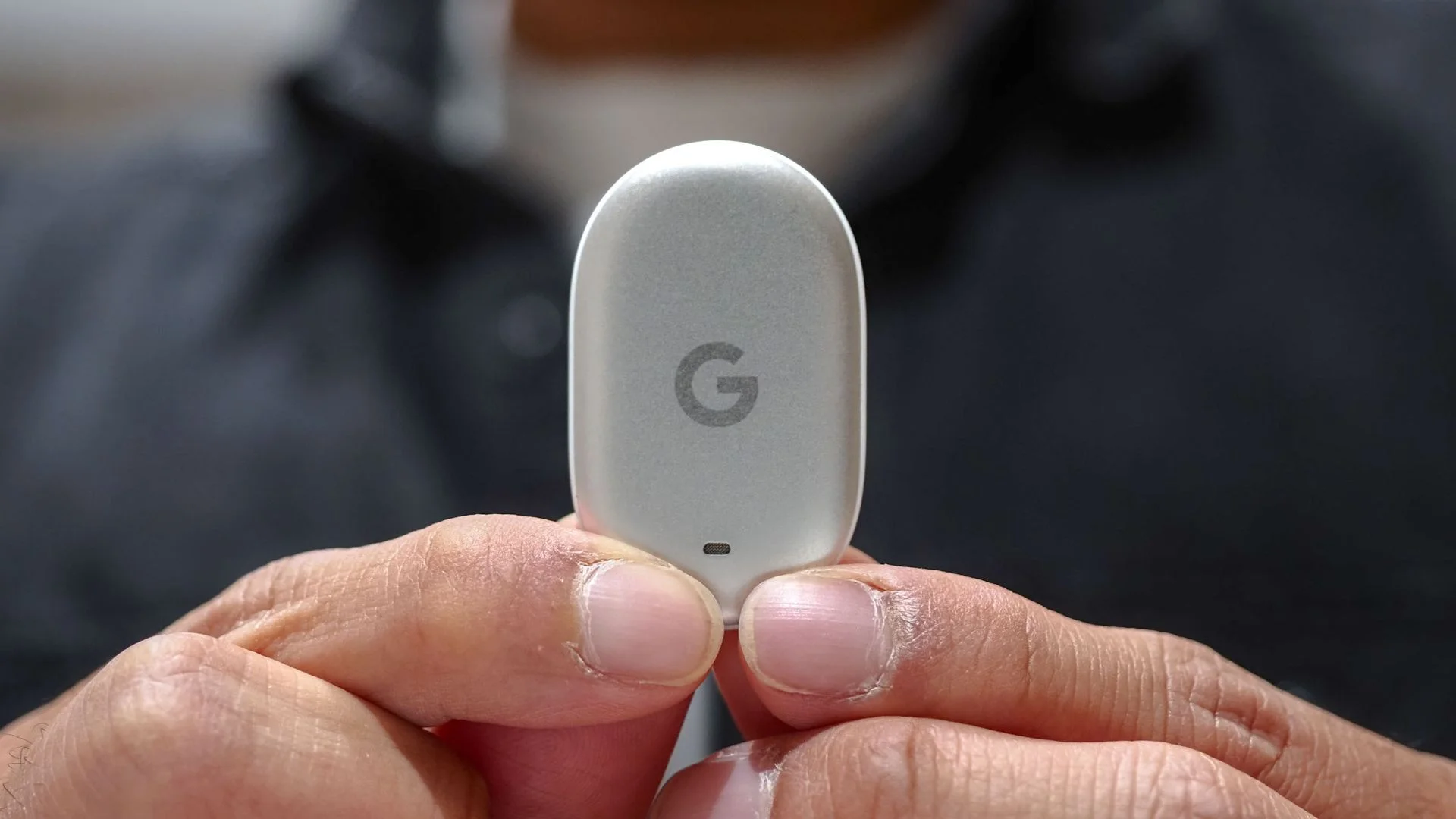
Google’s Pixel Tag gives Android users something many Bluetooth trackers still lack: directional, close-range guidance that can lead you to a misplaced item with measured distance and compass-style arrows. In testing, its Ultra Wideband connection reached about 82 feet, edging past the roughly 74 feet recorded for Apple’s AirTag 2. That makes Google’s first tracker a practical addition to the Find Hub ecosystem, with a few useful touches beyond location tracking.
The clearest difference is that the Pixel Tag can ring a misplaced phone. Double-pressing its built-in button makes a paired phone sound at full volume, even when it’s set to silent or vibrate. The feature turns the tracker into a two-way finding tool for everyday essentials: it can help locate a bag or wallet, then help find the phone used to track them.
Directional tracking with more reach
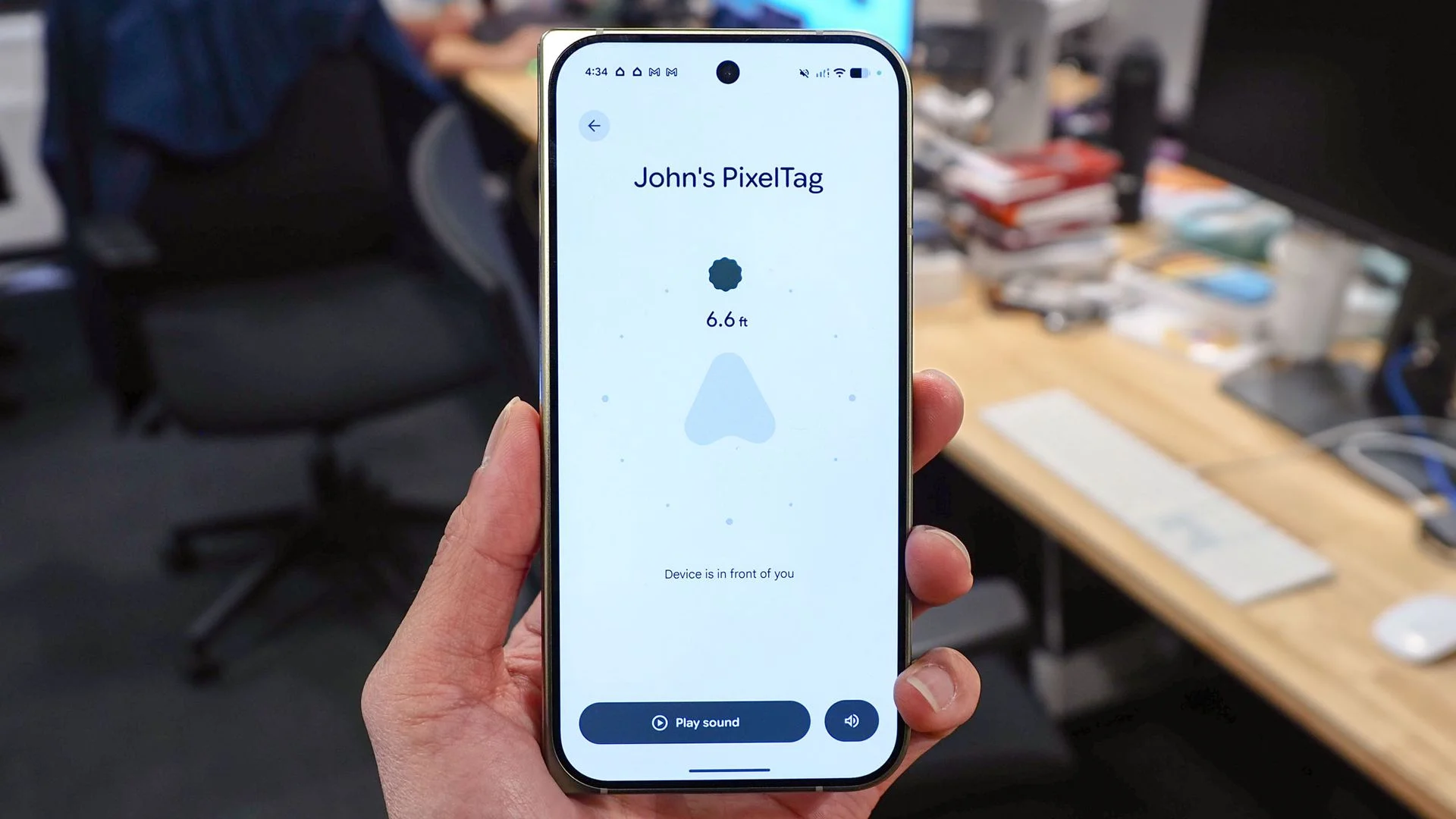
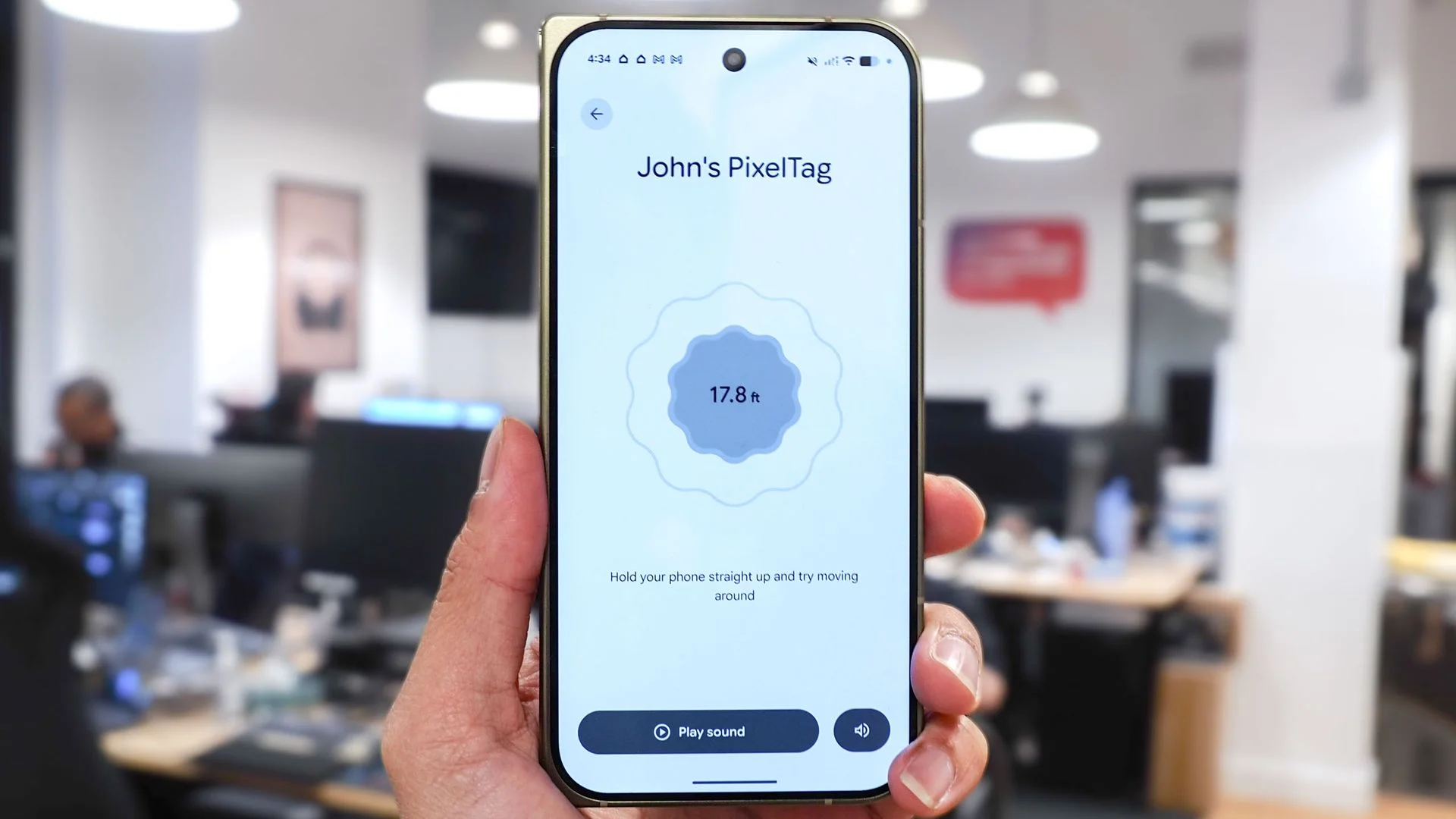
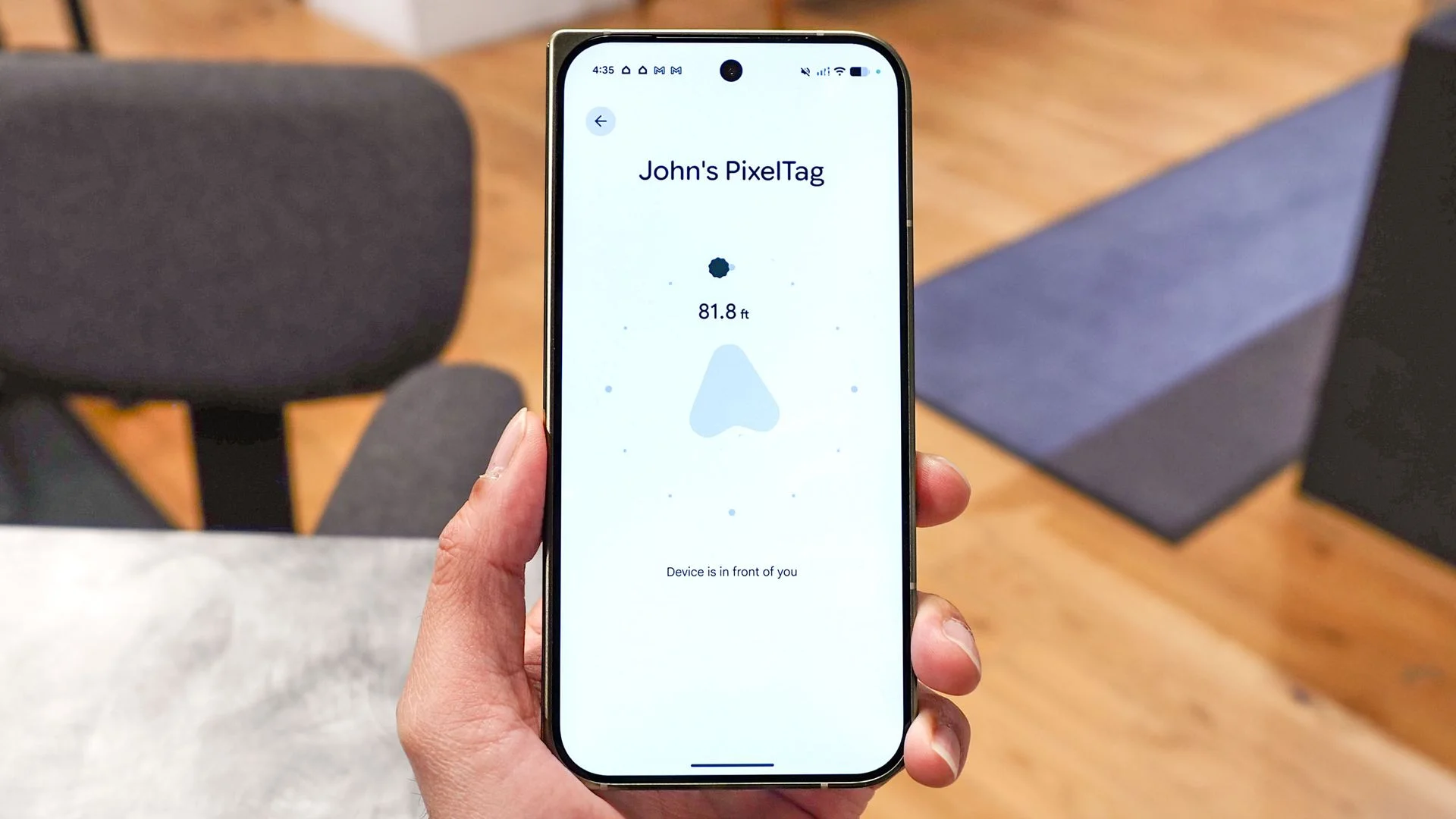
Many Android-compatible trackers can show an item’s approximate location on a map, but that leaves the final search to guesswork. The Pixel Tag combines Ultra Wideband (UWB) with Bluetooth Channel Sounding to provide the more precise, on-screen directions associated with Apple’s Precision Finding. In the Find Hub app, a user can follow directional arrows and live distance readings toward the tag, then play a chime when it’s close enough to be hidden by cushions or other objects.
During testing, the Pixel Tag maintained its UWB connection to around 82 feet. The AirTag 2 reached about 74 feet before losing that connection in the same reviewer’s testing. The difference is modest in absolute terms, but extra range can make a search less dependent on knowing exactly which room or part of a room to check first.
That performance makes the Pixel Tag notable within Google’s Find Hub network, which gives Android users a broader set of ways to locate their belongings. UWB support is still a meaningful distinction among trackers for Android: the Moto Tag and Samsung SmartTag3 are also cited as alternatives with the technology.
A slim tracker with replaceable power
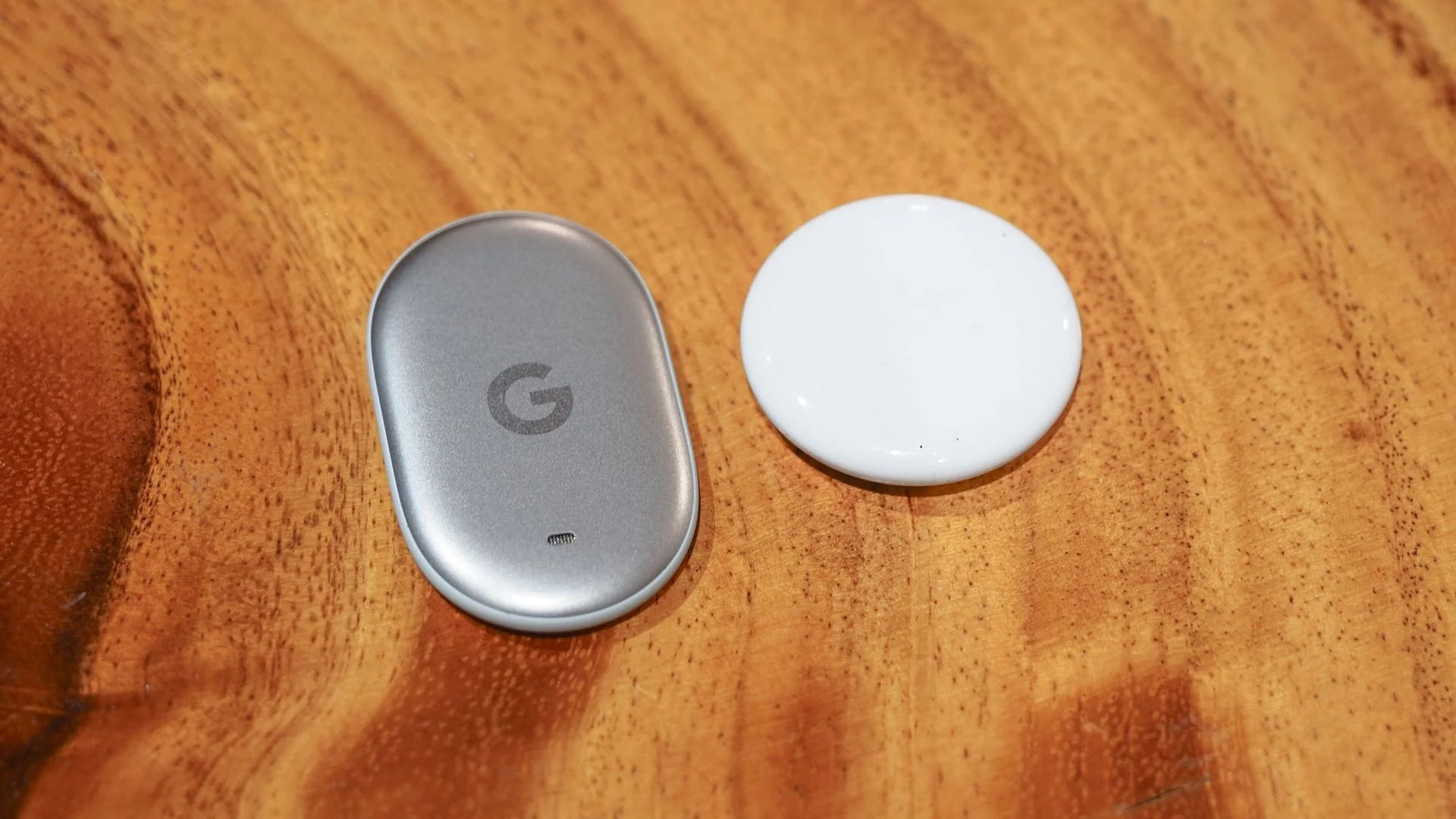
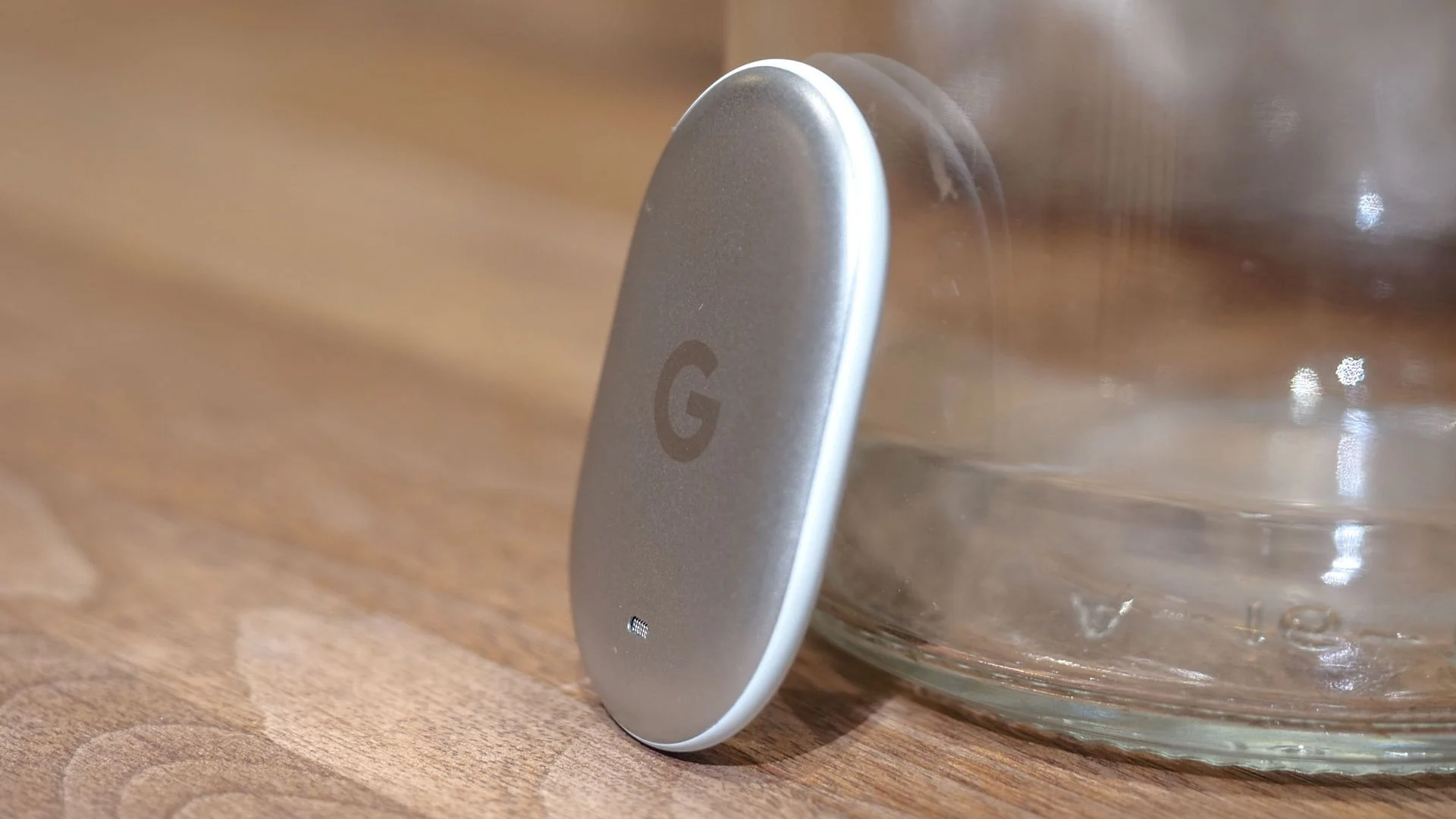
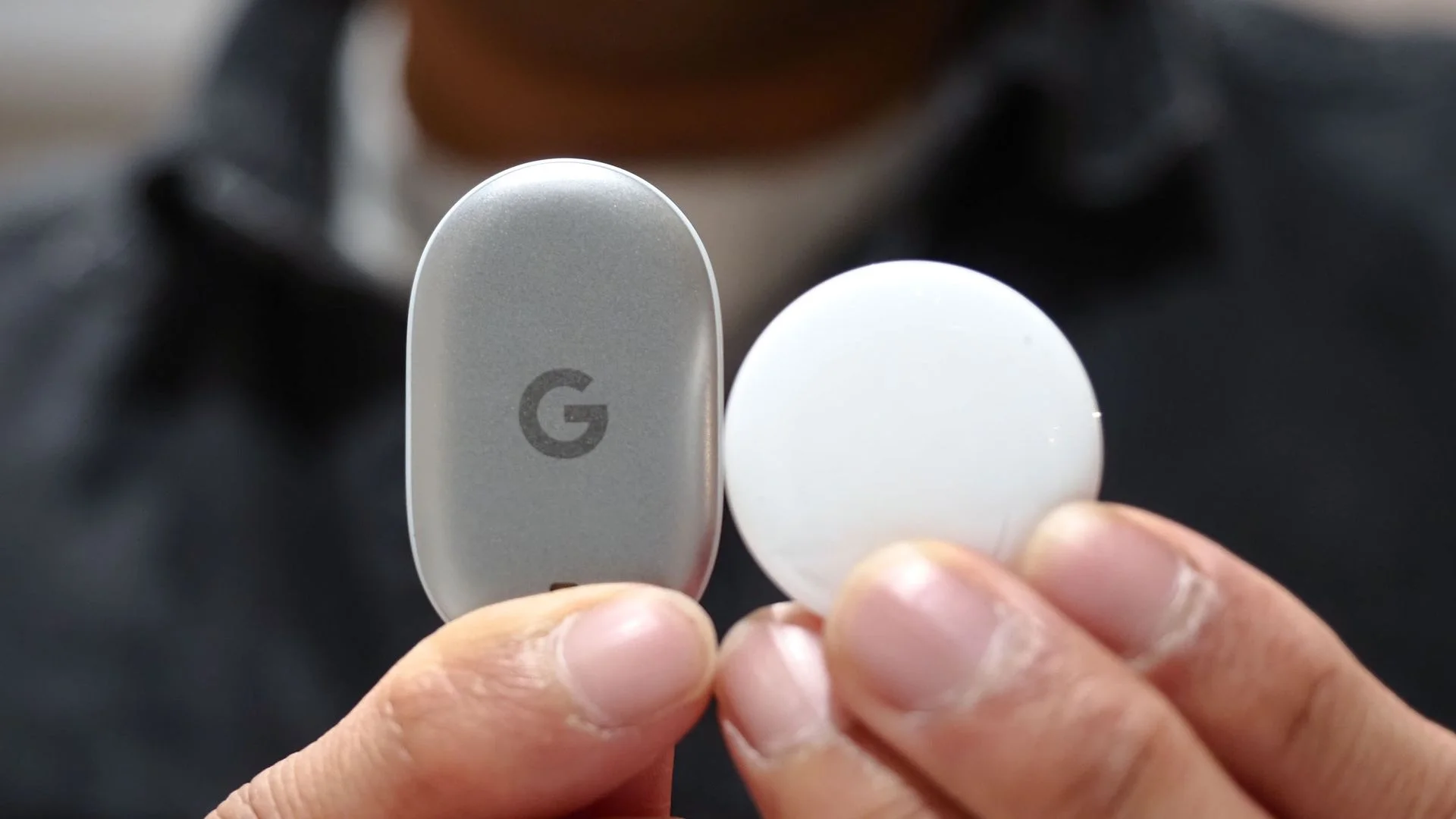
At 28 by 46.1 by 5.4 millimeters and 11.8 grams, the Pixel Tag is thin enough to slide into a wallet with less bulk than a conventional round tracker. Its matte polycarbonate body has a pebble-like shape, while stainless steel is also listed among its materials. The finish is less prone to showing smudges than the AirTag’s stainless steel back, though the tracker’s own surface can still pick up wear over time.
The IP67 rating provides dust and water resistance. Power comes from a user-replaceable CR2032 coin cell, which Google rates for up to a year of typical use. The battery cover twists off for replacement, and Find Hub is set to send a low-battery reminder every two weeks until the battery is changed. That recurring alert could help prevent a tracker from going unnoticed after its first warning.
Useful extras for everyday searches
Find Hub includes left-behind alerts and a Lost Mode that lets someone who finds a tagged item scan it and contact its owner. The Pixel Tag can also be shared with up to 10 users, which gives households or teams a way to keep track of an item together.
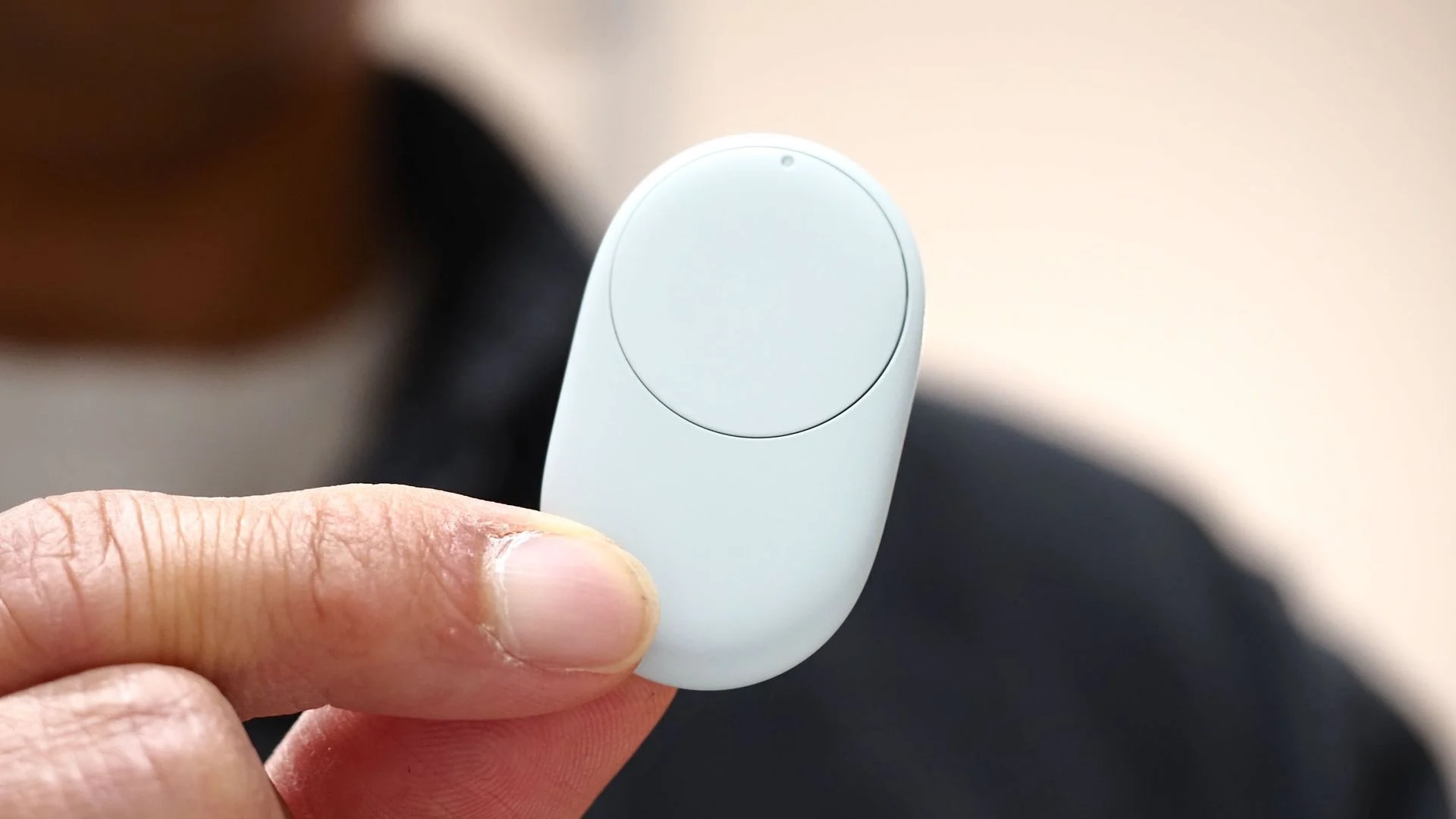
The reverse phone-finding button is a small feature with a direct payoff. When a phone has slipped between sofa cushions or been left in another room, a double press on the tag triggers its ring without requiring the owner to borrow another device or open an app. Apple’s AirTag doesn’t offer the same built-in phone-ringing function.
Attachment options are the main gap
The Pixel Tag’s slim outline comes with a practical compromise: there’s no built-in hole for a keyring or lanyard. Owners will need a case or mount to attach it to keys, luggage or a backpack, and accessory choices were limited at launch. Google didn’t offer an official attachment, while the available third-party option identified during testing was a basic silicone case from Walmart. People who want a particular clip, loop or pet collar mount may have to wait for more options to appear.
Pixel Tag pricing and fit
A single Pixel Tag costs $29, while a four-pack costs $99. Those prices match Apple’s listed AirTag pricing, while Google’s tracker adds the phone-ringing control and, in testing, held its precision connection farther away. Its 5.4-millimeter profile is also suited to wallets and other tight spaces, though that slim shape makes an attachment case a near necessity for keys.
For Android users, the Pixel Tag addresses a longstanding gap in close-range item finding by combining UWB directions with Google’s Find Hub network. Its reach, replaceable battery and two-way locating features make it a capable everyday tracker; the early accessory selection is the main detail to weigh before choosing where to use it.